Installing EV charging for apartment buildings succeeds or fails on three practical factors: available building electrical capacity, a transparent way to allocate electricity costs, and reliable operation inside concrete underground garages. Because residents routinely park for 8 to 12 hours overnight, most multifamily properties do not need expensive DC fast chargers. Smart AC wallboxes and dual-port AC pedestals paired with load management deliver a full morning charge at a fraction of the grid and capital cost.
Across both Europe and North America, multifamily charging has shifted from an optional perk to a leasing and regulatory requirement. Yet apartment blocks behave very differently from offices or retail car parks. Dozens of residents plug in between 18:00 and 22:00, right when residential building loads peak, and every kilowatt-hour must be tracked fairly without turning property staff into full-time helpdesk agents.
Why apartment buildings need a dedicated EV charging strategy
Commercial retail parks chase fast bay turnover, while apartment properties operate around long overnight stays and tight shared electrical panels. According to the US DOE Alternative Fuels Data Center, multi-unit dwelling projects require careful coordination between building electrical service limits, parking assignment policies, and ongoing cost recovery.
Oversizing individual chargers is one of the most common budgeting mistakes in multifamily projects. A resident who drives 50 to 80 km per day consumes roughly 10 to 16 kWh. Even at 7 kW or 11 kW AC, that energy is replaced in less than two hours, leaving six to ten hours of overnight flexibility for load sharing and off-peak tariffs. If you are still comparing AC power tiers, see our 7 kW vs 11 kW vs 22 kW charger comparison and our commercial EV charging business case.
Regulation is also accelerating planning timelines on both sides of the Atlantic. Under the revised EU Energy Performance of Buildings Directive (EPBD, Directive 2024/1275), new and majorly renovated residential buildings with more than three parking spaces face mandatory pre-cabling or ducting requirements alongside smart-charging readiness. In North America, state and municipal right-to-charge laws and building codes increasingly push developers and HOAs to install EV-ready conduit and ENERGY STAR certified Level 2 stations from day one.
Before selecting wallboxes or pedestals, property operators must decide whether chargers serve assigned resident bays or shared communal bays. That single operational decision dictates both hardware form factor and billing software.
| Planning Dimension | Model A: Assigned Resident Bays | Model B: Shared / Communal & Visitor Bays |
|---|---|---|
| Best property fit | Owner-managed blocks, HOAs, small-to-midsize apartments with fixed spaces | Large build-to-rent complexes, mixed-use developments, visitor parking |
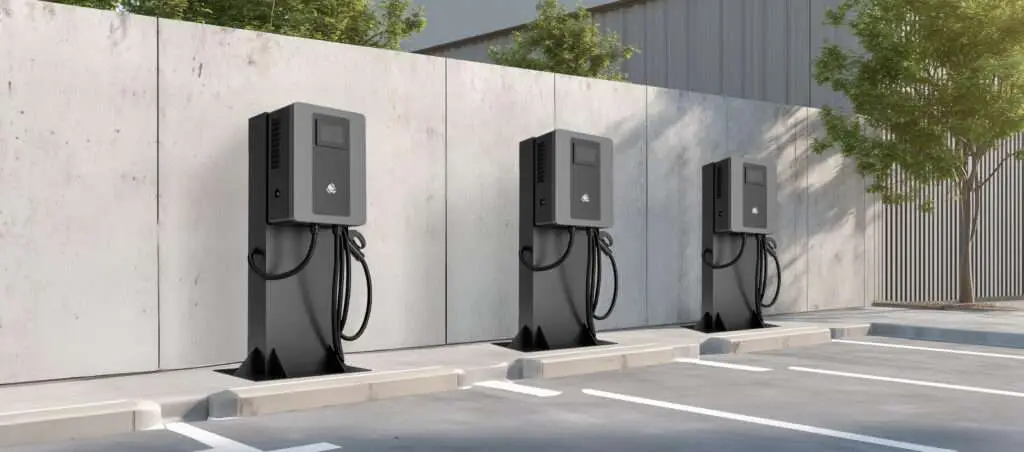
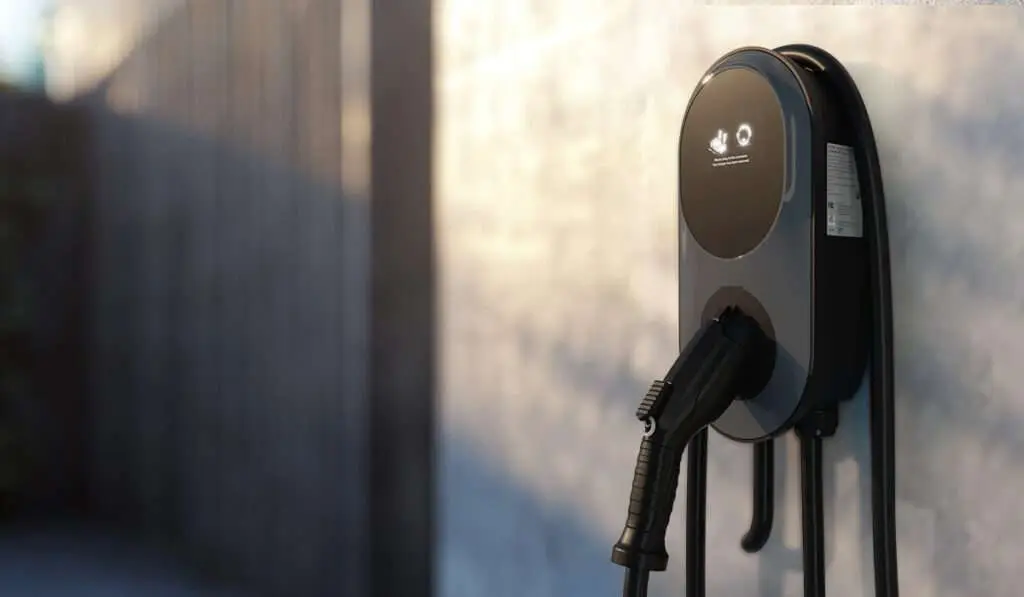
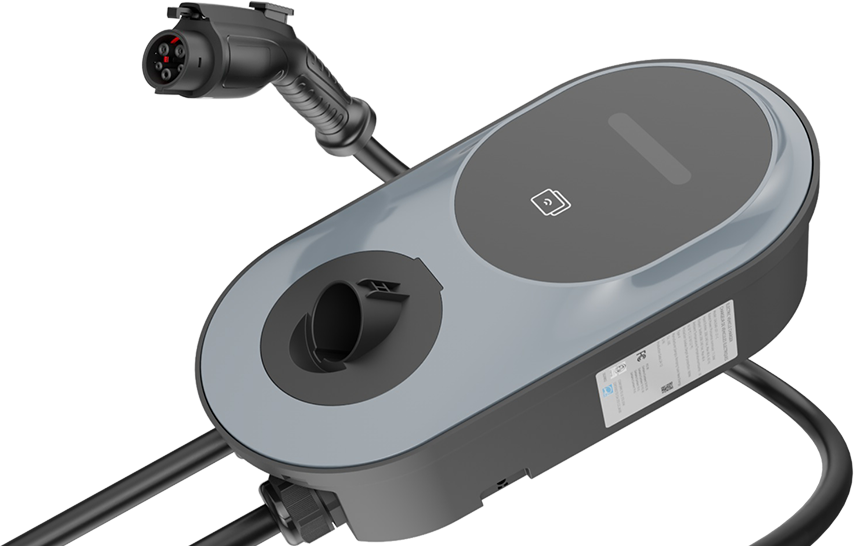
| Typical hardware | Compact wallboxes (MG-Cube, MG-L01, MG-A08) | Dual-port pedestal (MG-L02) or heavy-duty IK10 wallbox (MG-A09) |
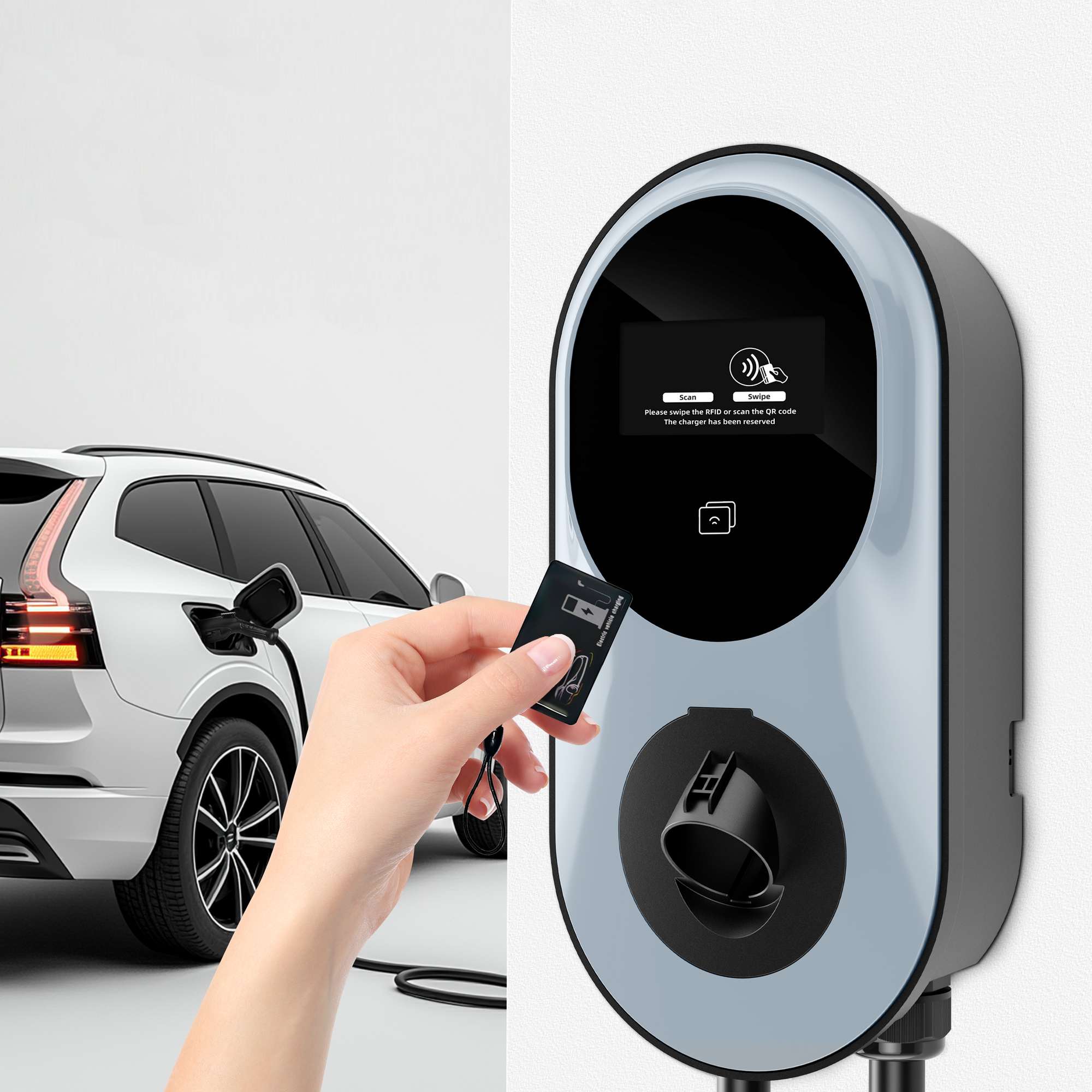
| Access control | Assigned RFID/NFC card or private App whitelist per bay | Public or tenant RFID, mobile app, QR code, or ISO 15118 Plug & Charge |
| Billing & settlement | ChargeMAX App logs per-user/per-card kWh and estimated cost; property staff settle fees manually offline with rent or HOA dues | OCPP 1.6J / 2.0.1 CSMS automates per-kWh payments, time-of-use tariffs, receipts, and overstay idle fees |
| Operating cost profile | Zero recurring platform subscription fees | Monthly OCPP software fee offset by automated commercial revenue |
It is essential to keep the software boundary clear during procurement. ChargeMAX App is a free iOS and Android management app designed for private and owner-managed sites: it supports Bluetooth offline control, Wi-Fi sync, RFID whitelist management, off-peak scheduling, and per-user kWh tracking with estimated cost. However, ChargeMAX does not process payments or collect money in-app. Whenever a landlord or CPO needs automated credit-card billing, automated tenant invoicing, or idle-fee enforcement, the chargers must connect to an open OCPP charging management platform.
Solving the four biggest engineering and O&M challenges in apartment garages
Once a multifamily installation goes live, four technical bottlenecks account for the majority of resident complaints and unplanned maintenance calls.
1. Transformer capacity and evening peak overlap
Most apartment complexes were built decades before EV adoption. When 20 residents plug in at 19:00 while lifts, lighting, and electric HVAC or cooking loads are running, unmanaged charging quickly saturates the main feeder.
Consider an illustrative 20-bay European apartment block. Example (assumptions, not a forecast): allocating a static 22 kW (32 A per phase) per bay would demand 440 kW of electrical capacity, almost certainly triggering an expensive utility transformer upgrade. Deploying 11 kW units with CT-based dynamic load balancing or OCPP smart charging profiles lets the building measure real-time main-panel load, throttle EV chargers during the 18:00 to 21:00 residential peak, and ramp output back up overnight so every vehicle departs full at 07:00. For the full technical architecture, read our dynamic load balancing EV charger guide.
2. Weak cellular and Wi-Fi signals in underground basements
Reinforced concrete slabs routinely block 4G mobile signals one or two floors below street level. If a charger relies solely on cellular connectivity to authorise sessions, residents face failed app starts and property managers receive late-night support calls. Reliable basement deployments use wired Ethernet (LAN) back to the building comms room as the primary link, paired with local RFID/NFC card whitelists (ISO 14443A/B MIFARE) and offline Bluetooth control on private-mode wallboxes.
3. Fire-retardant enclosures, electrical safety, and impact resistance
Apartment parking sits directly beneath or beside living spaces, which raises the safety bar for insurers, fire marshals, and building inspectors. Commercial wallboxes installed in residential garages should use flame-retardant polycarbonate housings (such as PC GM928 F03B3) and multi-layer electrical protection covering overvoltage, undervoltage, overcurrent, over-temperature, surge protection, ground-fault protection, Control Pilot fault monitoring, and integrated residual current protection (Type A RCD + DC 6 mA, or RCD Type B on dual-port commercial pedestals). In exposed shared garages where shopping trolleys and tight turns cause frequent knocks, an IP65 + IK10 enclosure significantly reduces replacement costs.
4. Sub-metering transparency and tenant billing disputes
Residents quickly lose trust in a building’s charging programme if monthly electricity charges feel arbitrary. Choosing chargers with a built-in ±1% energy meter (available on models such as MG-Cube and MG-L02) and clear on-screen session readouts gives property managers verifiable per-session kWh records for internal cost allocation or OCPP billing. Always verify local national metrology rules before launching public per-kWh retail tariffs.
| Apartment Garage Challenge | Operational Risk if Ignored | Hardware & System Fix |
|---|---|---|
| Limited building feeder | Breaker trips or multi-month utility transformer upgrades | 7–11 kW AC sizing + CT dynamic load balancing / OCPP Smart Charging |
| Basement 4G dead zones | Failed authorisations and resident support complaints | Wired LAN primary connection + local RFID/NFC + offline Bluetooth |
| Fire & impact exposure | Insurance issues and cracked enclosures in tight bays | Flame-retardant PC housing, 8-layer protection (Type A + DC 6 mA / Type B), IP65/IK10 |
| Billing disputes | Unpaid bills and resistance to HOA expansion | Built-in ±1% energy meter + ChargeMAX usage logs or automated OCPP billing |
Matching MAXGREEN AC hardware to your apartment project
MAXGREEN manufactures a complete portfolio of commercial AC wallboxes and dual-port pedestals at our ISO 9001 facility in Foshan, covering both European Type 2 and North American SAE J1772 / NACS multifamily deployments. Every networked model ships with open OCPP 1.6J (with a confirmed OTA upgrade path to OCPP 2.0.1 on MG-L01 and MG-A09), ensuring zero software vendor lock-in. See our OCPP 1.6J vs 2.0.1 buyer’s guide for backend planning details.
| Model | Market & Power Range | Key Apartment Features | Verified Compliance Position | Best Multifamily Fit |
|---|---|---|---|---|
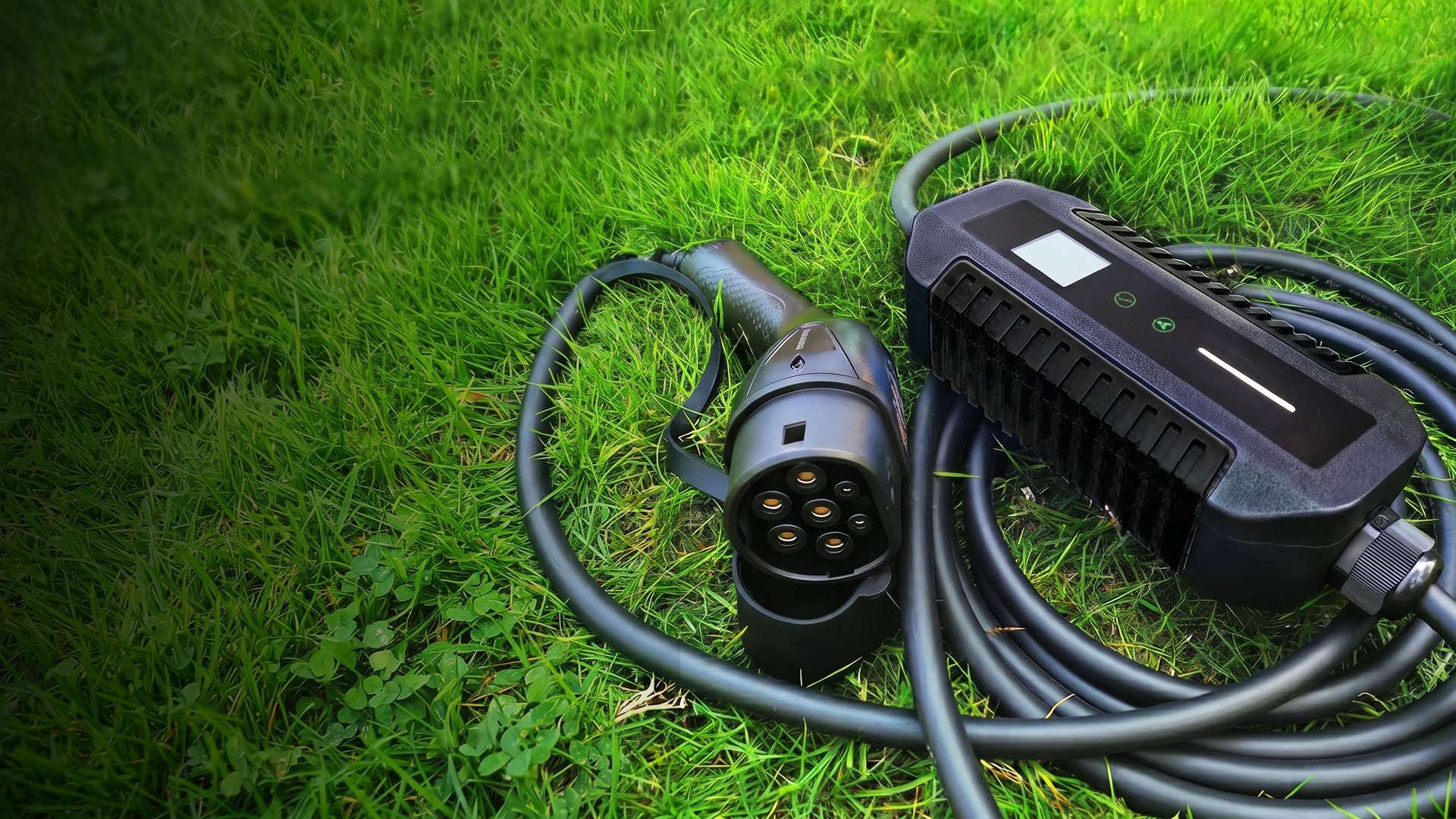
| MG-Cube | EU: 7 kW (1P) / 11 & 22 kW (3P) | Compact 100 × 200 × 300 mm (~5–6 kg), built-in ±1% energy meter, flame-retardant PC, 2.4″ LCD, LAN/Wi-Fi/BT (4G opt.), NFC, OCPP 1.6J | Built to IEC 61851-1 / -21-2 (documentation on request) | Cost-effective bulk rollout for assigned EU apartment bays |
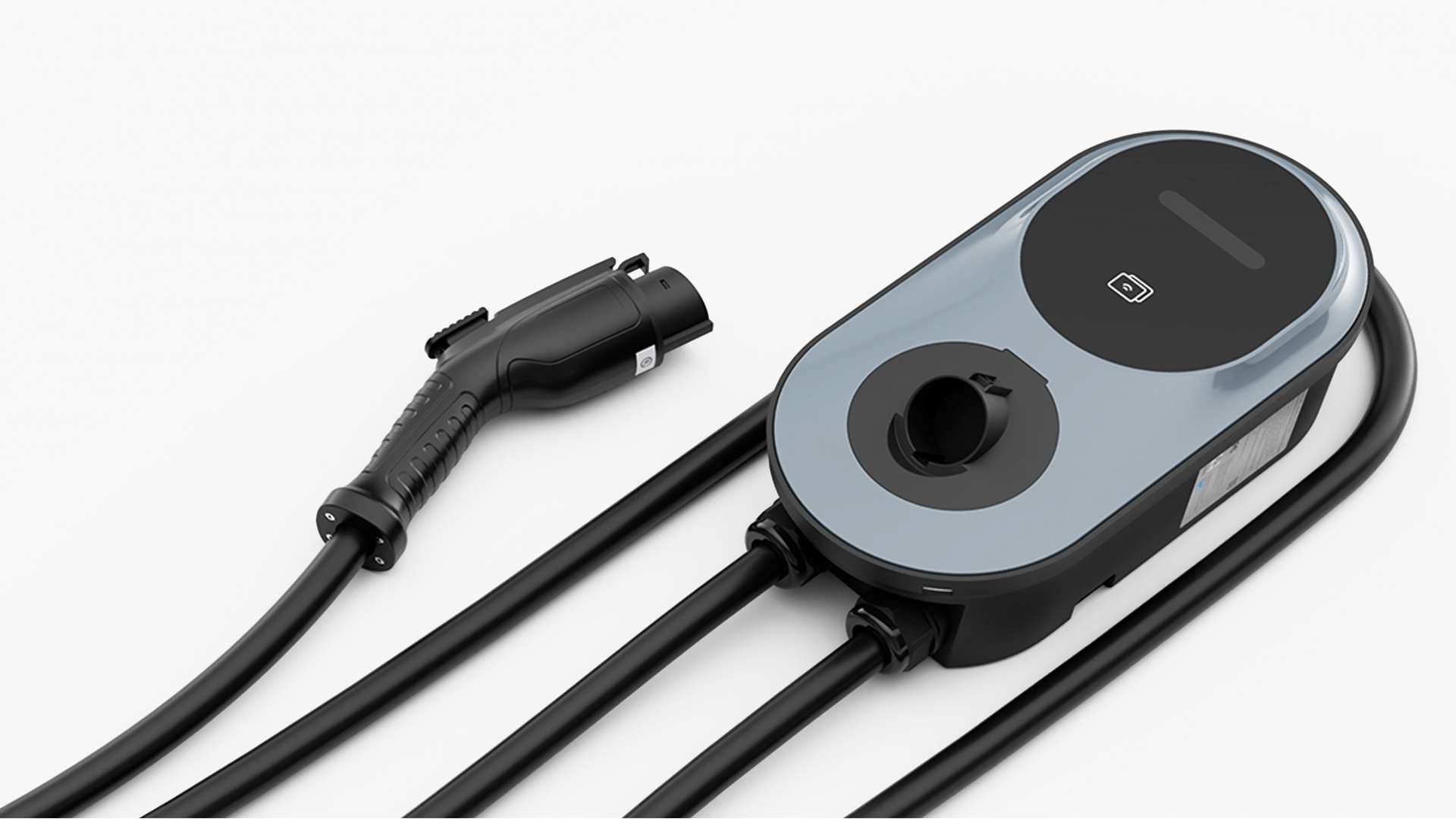
| MG-L01 | EU: 7 / 11 / 22 kW NA: 40 / 48 / 80 A (J1772 / NACS opt.) | IP65 (EU) / Type 4 (NA), −30 °C to +50 °C, 4.3″ LCD, LAN/Wi-Fi/BT (4G opt.), NFC, OCPP 1.6J + OTA to 2.0.1, 8-layer protection | NA: cETLus Listed (#5035409) & ENERGY STAR (#5036412); EU docs on request | Flagship NA and cross-regional multifamily projects & rebate programmes |
| MG-L02 | EU: 22 + 22 kW dual-port pedestal | Serves 2 bays per installation, SECC steel IP54, 7″ LCD, built-in ±1% meter, CT dynamic load balancing, ISO 15118 PnC, RCD Type B, OCPP 1.6J | Built to IEC 61851-1 / -21-2 (documentation on request) | Large European communal car parks and shared visitor zones |
| MG-A08 | EU: 7 / 11 / 22 kW NA: 40 / 48 A | 87 mm ultra-slim black or grey textured finish, IP54 / NEMA-3S, 2.8″ or 4.3″ display, NFC, OCPP 1.6J | Regional compliance documentation on request | Architectural residential façades and narrow garage pillars |
| MG-A09 | NA: 40 / 48 / 80 A (SAE J1772) | IP65 + IK10 impact-rated, −30 °C to +50 °C, 5″ or 7″ LCD, relay weld detection & CCID self-test, OCPP 1.6J + OTA to 2.0.1, opt. ISO 15118 PnC | NA: cETLus Listed, ENERGY STAR & FCC | High-traffic North American shared apartment garages |
Note: For European projects, compliance documentation is supplied per target market on request; built-in ±1% energy meters support internal energy allocation and are not described as MID-certified.
Beyond hardware, multifamily rollouts rely on predictable supply and responsive technical support. MAXGREEN supports distributors, EPCs, and property operators with 30+ factory engineers, free pre-shipment OCPP sandbox testing so units arrive ready for your chosen backend, a 2-year charging station warranty, and RMA response within 2 working days. Standard in-stock models dispatch in 3 working days, while brand builders and regional CPOs can specify OEM branding (logo, housing colour, packaging, and UI) with flexible low-MOQ ordering.
Explore the MG-L01 smart wallbox or compare our full smart AC wallboxes lineup to match your building’s electrical spec.
Five-step rollout checklist for property operators and installers
- Audit overnight feeder headroom first: Measure the building’s real 15-minute peak load over at least two weeks rather than relying on nameplate panel ratings alone. Plan conduit and cable trays for future bays even if you install only 20% of spaces in phase one.
- Lock in the billing workflow before buying hardware: Decide whether the building will run private RFID/ChargeMAX logging with offline rent settlement or connect to an OCPP backend for automated resident payments and idle-fee control.
- Engineer basement connectivity upfront: Run Cat6 Ethernet (LAN) alongside power cabling during initial trenching or tray work. Avoid discovering 4G dead zones after concrete core-drilling is finished.
- Match enclosure protection and certifications to local code: For North American multifamily rebates and utility incentives, specify cETLus Listed and ENERGY STAR certified units (such as MG-L01 or MG-A09) checked against US EPA ENERGY STAR EV charger criteria.
- Run pre-shipment OCPP testing: Test one sample unit against your live OCPP management platform before bulk delivery so onsite electricians only handle mounting, wiring, and final commissioning.
EV charging for apartment buildings FAQ
How many EV chargers can an apartment building install without upgrading its transformer?
The exact number depends on spare night-time feeder capacity and load management. Without load balancing, a 120 A three-phase spare feeder supports only three static 22 kW ports. With dynamic load balancing or OCPP smart charging over an 8-to-12-hour overnight window, the same feeder can often serve 10 to 20 residential bays safely. Always confirm final limits with a licensed electrical engineer.
How do apartment landlords bill tenants for EV charging electricity?
Property operators use two main approaches. On assigned resident bays with no monthly software budget, managers can use the free ChargeMAX App to track per-user or per-RFID kWh consumption and estimated cost, then settle fees manually offline alongside rent or HOA dues. For automated credit-card billing, individual invoices, and idle fees on shared bays, chargers connect to an OCPP 1.6J or 2.0.1 commercial backend.
What happens if an underground apartment garage has no mobile signal?
If a charger depends only on 4G, sessions fail whenever cellular coverage drops. To prevent downtime in concrete basements, connect chargers via wired Ethernet (LAN), enable local RFID/NFC card whitelists, and use Bluetooth offline control on private-mode installations.
Should an apartment complex install 7 kW, 11 kW, or 22 kW chargers?
For most apartment buildings, 7 kW (single-phase) or 11 kW (three-phase) in Europe, or 40 A to 48 A in North America, offers the best balance of cost and charging speed, because residents park overnight and most passenger EVs cap AC intake at 7 kW to 11 kW anyway. Reserve 22 kW dual-port pedestals like the MG-L02 for shared visitor bays or fleets with shorter dwell times.
Key takeaways
- Size for overnight stays, not highway stops: 7–11 kW AC (EU) or 40–48 A Level 2 (NA) paired with load management serves multifamily residents far more economically than high-power DC.
- Separate logging from automated billing: Use ChargeMAX App for zero-fee per-user kWh tracking and manual offline settlement on assigned bays; use an open OCPP platform whenever automated payments or idle fees are required.
- Eliminate basement failure points: Combine wired LAN, local RFID/NFC cards, flame-retardant enclosures, and built-in ±1% energy metering to cut support calls and tenant billing disputes.
- Pick the right MAXGREEN platform: Specify MG-Cube or MG-L02 for European apartment blocks, MG-A08 for ultra-slim architectural walls, and cETLus / ENERGY STAR listed MG-L01 or MG-A09 for North American multifamily properties.
- Scale smoothly: Pre-wire cable trays for phase-two expansion and use pre-shipment OCPP sandbox testing with flexible low-MOQ OEM options to speed up rollout.
Planning an EV charging rollout for an apartment building, HOA, or multifamily development? Share your target region, bay count, and available electrical capacity, then request factory pricing so our engineers can recommend the right AC wallbox or dual-port pedestal package.